
SARA, Sandhills Area Research Association, South Plains, Texas, Conservation, Regenerative Farming, Soil Health, Agriculture, Lubbock, Texas, Sandhills Area, Farming, Ranching
SARA, Sandhills Area Research Association, South Plains, Texas, Conservation, Regenerative Farming, Soil Health, Agriculture, Lubbock, Texas, Sandhills Area, Farming, Ranching
SARA, Sandhills Area Research Association, South Plains, Texas, Conservation, Regenerative Farming, Soil Health, Agriculture, Lubbock, Texas, Sandhills Area, Farming, Ranching
RegSARA, Sandhills Area Research Association, South Plains, Texas, Conservation, Regenerative Farming, Soil Health, Agriculture, Lubbock, Texas, Sandhills Area, Farming, Ranching
SARA, Sandhills Area Research Association, South Plains, Texas, Conservation, Regenerative Farming, Soil Health, Agriculture, Lubbock, Texas, Sandhills Area, Farming, Ranching
Stewardship That Works for People, Land, and Livelihoods.
The Sandhills Area Research Association (SARA) is a producer-centered nonprofit advancing practical stewardship through advocacy, education, research, and collaboration. We work at the intersection of agriculture, conservation, and rural economic vitality, helping connect landowners, producers, communities, researchers, and partners to solutions that strengthen both natural resources and local livelihoods.
Our work is guided by a simple but essential lens: people, planet, and profit. We believe stewardship is most effective when it reflects the realities of working lands and rural life. Lasting solutions must serve the people managing the land, protect and improve natural resources, and create pathways for economic resilience.
SARA exists to help bridge the gap between ideas and implementation. We take complex challenges and emerging opportunities and help turn them into practical, locally relevant action.
Mission
SARA’s mission is to advance stewardship of interconnected ecosystems through practical solutions that support people, natural resources, and rural prosperity.
We believe conservation works best when it is collaborative, voluntary, economically grounded, and shaped by the people closest to the land.
NASA Space4Ag Tour
Sandhills Area Research Association | August 23–28, 2026 | Texas, Oklahoma, Kansas
SARA Conservation is excited to be hosting the Space for Agriculture Tour, set for August 23 through 28, 2026, across West Texas, Oklahoma, and Kansas.
The tour brings agricultural producers together with NASA's Earth Science Division and research partners so they can hear directly from the people working the land. What producers share about cotton, sorghum, cattle, water management, and daily operations will help NASA shape smarter decisions on future models, observation systems, and science applications, and give everyone involved a chance to work together on solutions that hold up in the field.
Please RSVP so we can finalize head counts for meals and transportation.
A listening tour across Texas, Oklahoma, and Kansas — connecting the farmers and ranchers who work this ground with the NASA scientists building the tools meant to serve them.
Texas: Aug 23–26
Oklahoma: Aug 26–27
Kansas: Aug 28
NASA DEVELOP PROJECT
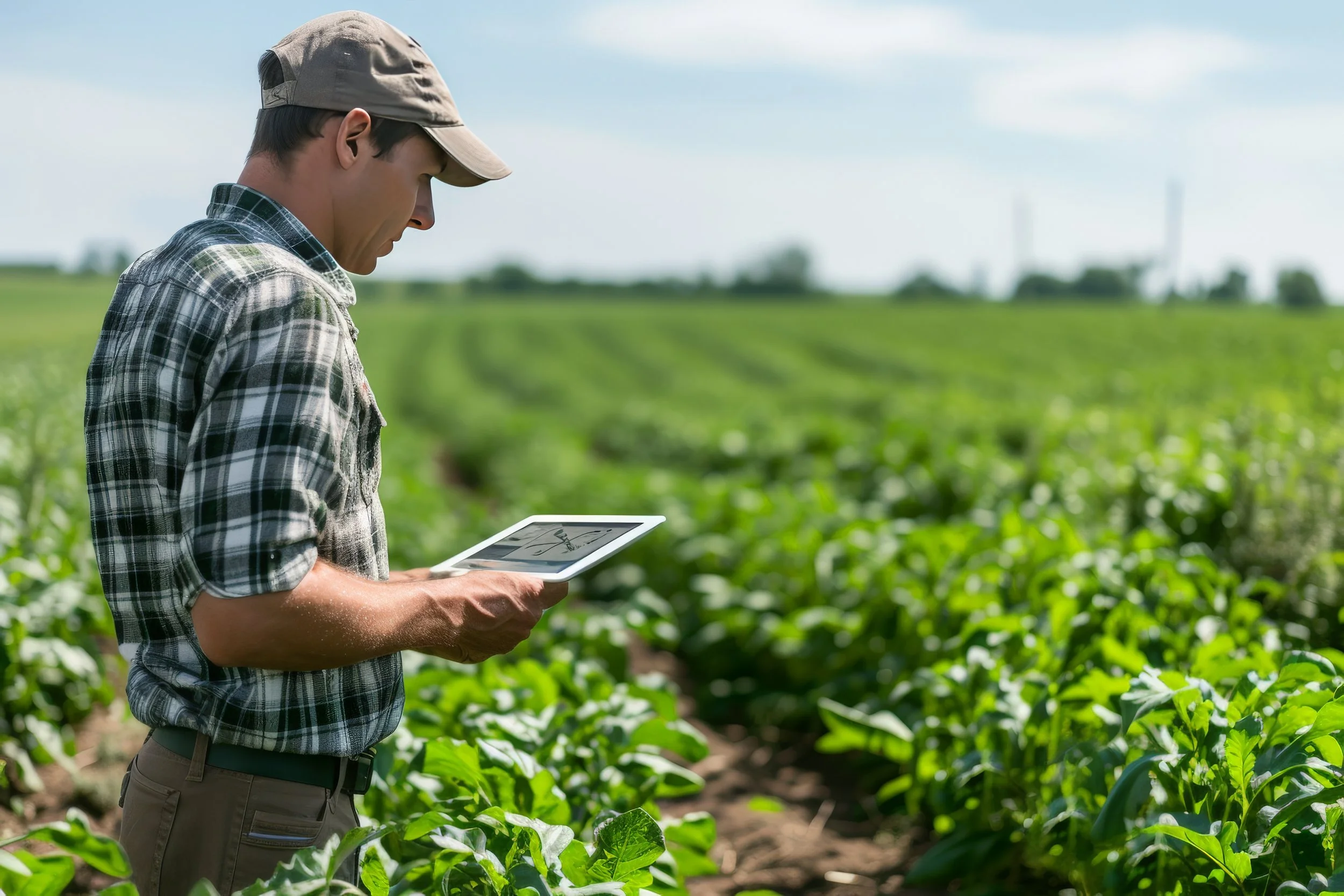
SARA is partnering with NASA DEVELOP, NASA Acres, and Colorado State University's Natural Resource Ecology Laboratory to explore the applications of satellite remote sensing data to support farming decisions. Specifically, a team of NASA DEVELOP interns will be attempting to map cover cropping since 2018 in several counties around Lubbock, Texas. Information about farming practices from farmers is critical to completing this mapping work. This form is designed to share details about this project and for SARA to collect these data from farmers.
The DEVELOP Program is a NASA Earth Science program that uses NASA satellite data to address land management issues. A team of four NASA interns will conduct a ten-week feasibility project investigating cover cropping mapping methods in this region to empower future assessments of cropping practices, address questions about cover cropping, and inform crop management practices. The results of this project will be shared at a virtual public presentation taking place the week of 11/17/2025 (exact date and time will be shared later). The team of four interns will engage with partners such as SARA, Bamert Seeds, Understanding Ag, and Texas A&M AgriLife and will be advised by scientists at Colorado State University, USGS, and the USDA Agricultural Research Service.
The team will be adapting a cover crop mapping approach developed for other regions to the counties around Lubbock. The method uses freely and publicly-available satellite data from throughout the year to map the likelihood that an area was under cover crops. Data from farmers of their farming practices will be used to determine the accuracy of this method and to refine the approach to perform better in this area. To do this, SARA is collecting data from a wide variety of fields across the region — different crop types, data from wet and dry years ranging from 2018-2025, and fields with and without cover crops. This variety and coverage across the landscape help to build better maps that reflect what’s truly happening on the ground.
What We Do
SARA helps bring together the people, information, and partnerships needed to move good ideas into real-world use. Our work includes advocacy, public education, applied research, producer outreach, and project development that supports both resource stewardship and community resilience.
We work to make conservation and innovation more accessible by helping translate research, technology, and policy into tools that are useful on the ground. That may mean creating awareness around urgent natural resource issues, supporting landowners as they explore restoration opportunities, building partnerships that connect producers with researchers, or using storytelling and media to help rural communities better understand the challenges and opportunities in front of them.
At the center of our work is a commitment to practical stewardship that makes sense not only environmentally, but socially and economically as well.
Playa Lakes Restoration
Tomorrow’s Water is Your Legacy
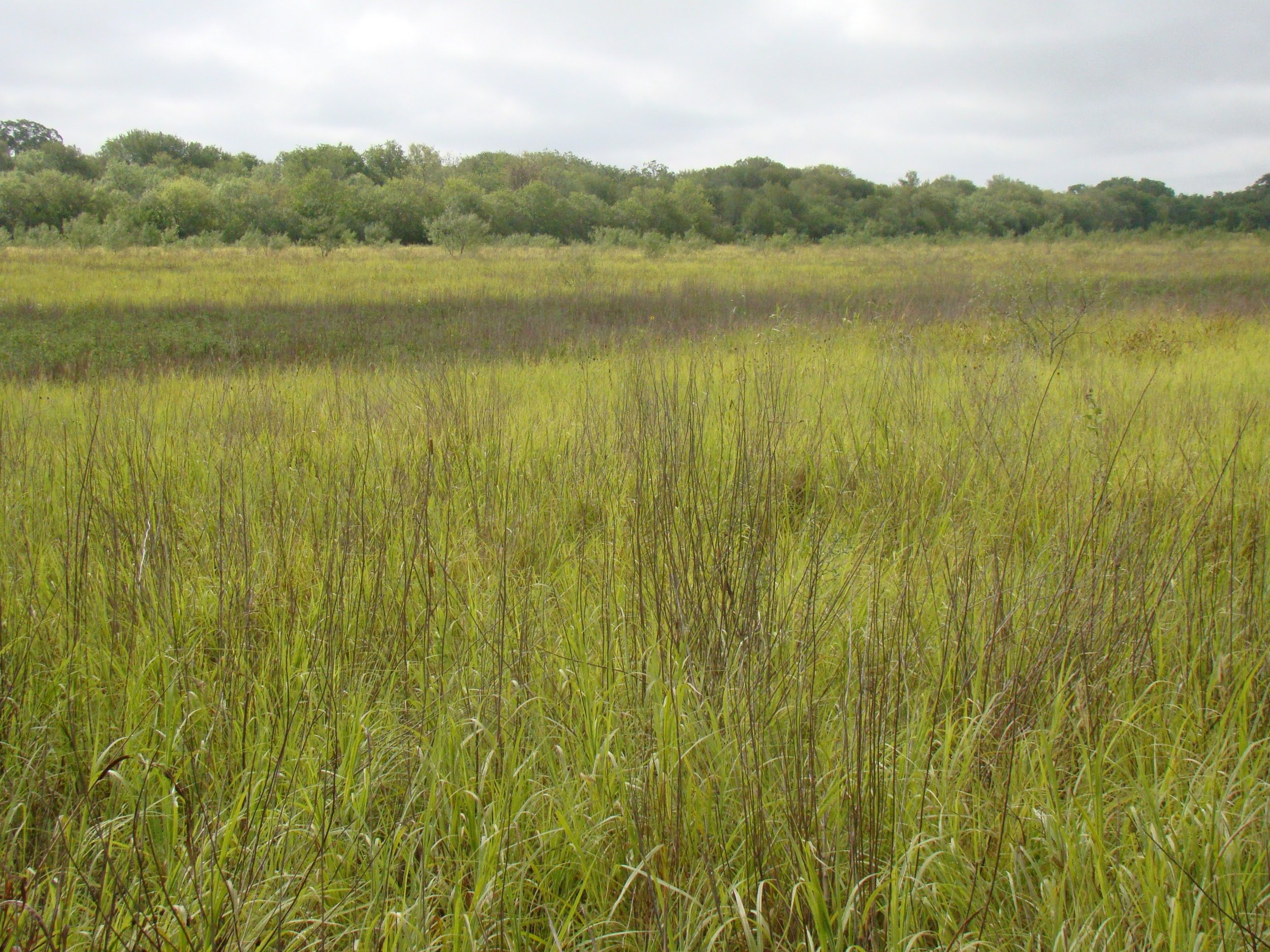
SARA is thrilled to partner with TxPCI to restore our playas. Serving as a pathway into the program, we are helping to identify landowners with an interest in this important project.
Why Restore Playa Lakes?
Playa lakes, those shallow, ephemeral wetlands that grace the Texas landscape, hold profound ecological significance. More than just scenic features, they serve as vital habitats for a diverse array of wildlife, including migratory birds, amphibians, and insects. Furthermore, playa lakes are essential for water filtration, groundwater recharge, and flood mitigation, making them indispensable for maintaining water quality and quantity in our region.
Areas of Focus
Water Conservation and Resource Stewardship
Water is one of the defining issues of our region, and SARA is committed to helping address it through education, outreach, collaboration, and practical project development. We work to raise awareness of groundwater challenges, support conservation-minded land use strategies, and connect producers and communities to ideas and opportunities that can strengthen long-term resilience.
Producer-Centered Conservation
SARA believes the people who live and work on the land should be central to shaping stewardship solutions. We help connect producers and landowners to relevant information, restoration opportunities, practical conservation strategies, and emerging tools that can support better decision-making and stronger outcomes on the ground.
Research and Innovation
We work to bridge the gap between innovation and application by connecting local knowledge with research, technology, and strategic partnerships. This includes engaging with universities, agencies, and technical partners to explore how emerging tools such as remote sensing and applied field research can better serve agriculture and natural resource stewardship.
Education and Public Awareness
SARA is committed to making complex issues more understandable and more relevant to the people affected by them. Through outreach, events, media, and storytelling, we help raise awareness of the connection between stewardship, rural economies, and the future of our communities.
Rural Resilience and Economic Vitality
Healthy land and healthy communities go hand in hand. SARA looks at stewardship through a triple bottom line lens, recognizing that conservation efforts must also support the people, businesses, and rural economies tied to the land. We work to help identify solutions that are not only good for natural resources but also realistic and beneficial for the communities they affect.
Why It Matters
The challenges facing working lands and rural communities are increasingly connected. Water, soil, land use, profitability, public understanding, and long-term resilience cannot be addressed in isolation. SARA’s work is built on the understanding that real stewardship happens at the intersection of these issues.
That is why we approach our work through the lens of people, planet, and profit. We believe the strongest solutions are the ones that recognize the full picture: the needs of the land, the realities of the people managing it, and the importance of economic sustainability for rural communities.
SARA is focused on helping build that kind of future: one where stewardship is practical, partnerships are meaningful, and rural communities have the tools and support they need to remain strong.
SARA brings together stewardship, innovation, and community to help create practical solutions for working lands and the people connected to them.
Dive deep into the world of sustainable agriculture with our podcast: Conservation Stories
Whatever your project, we are here to help.


Sandhills Area Research Association is proud to be an Official Conservation Partner of these organizations.

Meet our Team
Lacy Cotter-Vardeman, Founder (Right)
Tillery Timmons-Sims, Project Manager (Left)
The Sandhills Area Research Association (SARA), formerly known as the Sandhills Area Recreation Association, was established in 2008 by Lacy Cotter-Vardeman, after she recognized the need for a conservation non-profit organization to support farmers on the High Plains.
While actively engaged in farming alongside her husband, Dean, she managed to grow a 20,000-acre ranch and raise three children. During those years, Lacy utilized SARA as a means to acquire grants from prominent organizations like the World Wildlife Fund and the Audubon Society. These grants were used to purchase specialized equipment, enabling farmers to participate in federal conservation programs. Simply through word of mouth, SARA has contributed to the conservation and preservation of approximately 15,000 acres of land to date.
Since 2017, Lacy has expanded her research efforts to explore innovative farming techniques that have enhanced soil health and boosted crop yields on her farm. This valuable research, conducted in collaboration with ARS (Agricultural Research Service), is accessible to farmers through SARA.
With the global focus shifting towards agriculture for climate change solutions, it is essential to eliminate unnecessary intermediaries and establish direct connections between farmers and new markets. This approach allows for greater efficiency and opportunities by opening up markets at the farm gate. By embracing this approach, we can harness the potential of agriculture to address the challenges posed by climate change.
SARA now stands ready to support and advocate for farmers by identifying opportunities and undertaking the necessary groundwork to capitalize on them. We understand the needs and interests of farmers and actively works to promote collaboration with trusted partners. Whether exploring new market opportunities, accessing resources, or navigating regulatory processes, SARA aims to empower farmers and help them seize available opportunities for the benefit of our farms, our communities, and our planet.